

A guide to the best weed trimming scissors and cannabis harvest supplies. Featuring the top-rated scissors for hand-trimming buds. Plus, all the tools I want near me during harvest, trim, dry, and cure.
Best Weed Trimming Scissors
Hand-trimming is still the gold standard for preserving trichomes and bag appeal. A quality pair of weed trimming scissors ensures cleaner cuts, reduced hand fatigue, and fewer accidentally shaved buds—ultimately enhancing the final product. By using only the best trimming scissors on the market, you can maintain boutique-quality results all day long.
Fiskars Micro-Tip Trimming Scissors
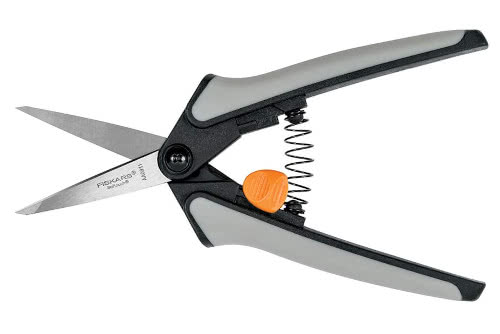
Fiskars micro-tip scissors are the best weed trimming scissors for most jobs of trimming and manicuring buds. These snips are legendary among commercial trimmers for a reason: their micro-tip profile slips deep into tight flower nodes, while precision-ground blades keep a razor-sharp edge even after trim season’s completed. The Soft Touch grip adds comfort to every squeeze.
Sharp scissors like these slice rather than crush, protecting trichome glands and preventing bruising that can darken the flower. When they eventually dull, you can resharpen your scissors with a sharpening stone or a Fiskars scissors sharpener. Don’t waste your money on cheap knockoff scissors—the blades are often misaligned. Stick with the original Fiskars, trusted by professional bud trimmers for decades.
Chikamasa Garden Scissors
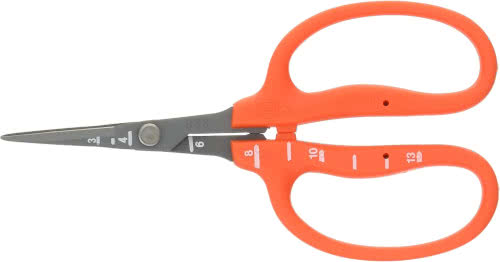
Hours at the table are easier when you can switch grips. Some trimmers swear by handle-scissors because the lack of a spring provides a finer feel, allowing tactical motion without resistance. Many pros reach for them late in the session, when springs begin to aggravate the wrists; since you control both the opening and closing, hand motion stays relaxed and rhythmic.
Japan-made Chikamasa B500 series scissors have become the go-to in trim rooms for good reason. The B500SLF (shown here) features 35 mm straight stainless blades that glide through sticky leaf matter, while the B500SR curves slightly to hug round colas. Either way, you get the signature razor edge and low-fatigue feel that make these scissors so popular from NorCal to New England.
Small Trimming Scissors for Manicuring
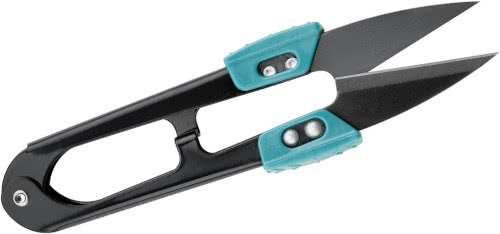
If your hand is getting tired and sore from the repetitive action of standard trimming scissors, these small sewing snips are your next best friend. Trim vets praise their light touch for fine detail work. The no-spring design is easy on your wrists and hands, allowing you to trim close to the bud with ease.
Because the handles sit closer together, you’re naturally guided into precision—think bonsai, not hedge trimmer. Small scissors like these sewing snips are ideal for avoiding carpal fatigue during the final manicure, when you want to carefully get in every nook and cranny. Just don’t go breaking buds off stems with them, or they’ll warp.
Curved Blade Trimming Scissors
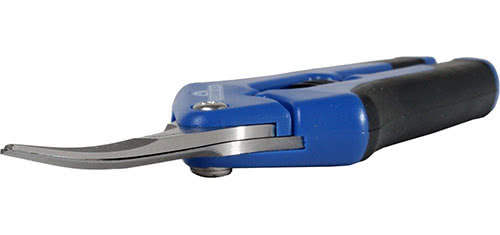
A curved profile follows the natural contour of dense colas, letting you cut flush without gnawing into resinous flower tissue. These unique scissors are best kept nearby for precise trimming situations. Growers love them for shaping spear-like sativas and foxtail buds, where straight blades force awkward wrist angles.
Clean curvature means predictable contact: glide the belly of the blade along the bud’s contour, letting geometry do the work. Scissors like these are perfect for reaching hard-to-trim spots inside buds without nicking prized trichomes. Includes a free belt holster.
Large Trimming Scissors
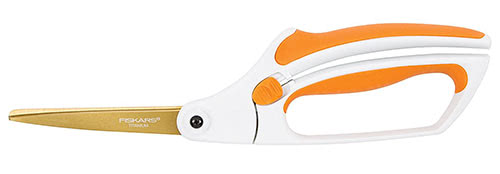
Larger trimming scissors work best for “poodle cuts”—the rough strip-down that removes fans and branchlets before fine trimming begins. Separating tasks protects blades from branch shock and preserves their surgical edge. These durable 10-inch Fiskars scissors are the best large scissors available, featuring sharp titanium-coated blades that chew through fan leaves and popcorn in one decisive motion.
With these at your side, you can process harvests as quickly as possible. Their easy-action design and soft-grip handle have earned the Arthritis Foundation’s Ease-of-Use Commendation, taming hot spots in your palms on heavy chop days.
Bypass Pruning Shears
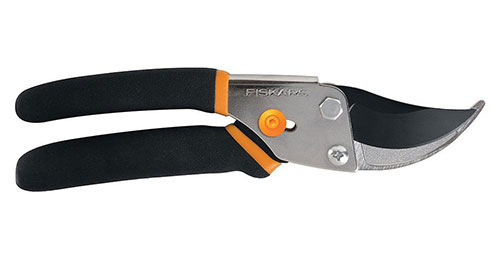
Bypass pruning shears (garden clippers) are best for breaking down the branches off your plants following harvest. Your weed trimming scissors will last much longer if you don’t grind them on branches—shears are the right tool for the job. Use them to cut your plants into neat sections, ready for drying or wet trimming.
Heavy-duty bypass shears with sharpened steel blades slice through branches cleanly, avoiding damage to internal fibers and preventing stringy cuts that can snag on drying racks or lines. These popular Fiskars bypass shears remain sharp through repeated use, thanks to their low-friction blade coating.
Branch Loppers
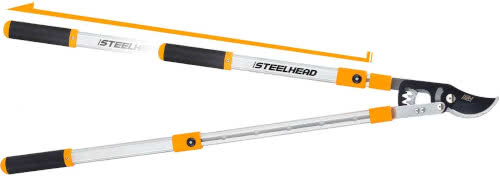
Big outdoor plants can grow thick stems, and forcing those through hand shears is a recipe for sore wrists and dull, misaligned blades. Loppers provide two-handed leverage; their long handles generate the force needed to snip heavy branches cleanly, making plant sectioning quick and easy. Extra handle length is especially helpful when reaching tall top colas.
Stick with bypass heads—just like with garden clippers—to ensure a smooth, non-crushed cut. The Steelhead Heavy Duty Bypass Lopper features a compound-ratcheting gear-bypass jaw, coated high-carbon steel blades, and telescoping handles to deliver reliable, comfortable cuts season after season.
How to Clean Trimming Scissors
Trimming scissors get black and gunky quickly when working with dank, resinous buds—especially when trimming hashy indica strains loaded with thick, gooey resin that sticks to everything. Letting resin cake up on your blades slows your cut speed and forces you to squeeze harder (hello trigger-finger pain). That’s why you should always have extra scissors on hand, clean and ready to use.
Scissor Blade Cleaner
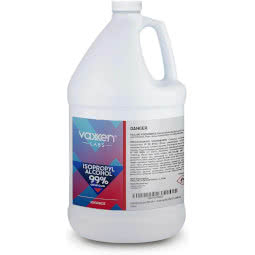
As you trim, cannabis resin accumulates on the scissor blades, reducing the sharpness of your cuts. Soak those sticky scissors in high-purity alcohol for about thirty minutes, and you’ll be able to easily scrape the resin off the blades. Both USP medical-grade isopropyl alcohol and Everclear are food-safe options that work effectively. If you have several pairs of trimming scissors, rotate them in and out as they gum up—drop the dull ones in, pull the sharp ones out and never stop clipping.
Orange
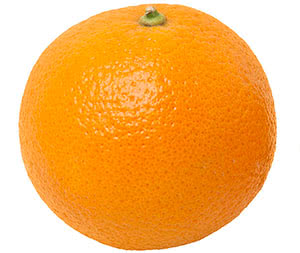
An old Hawaiian growers’ trick is to use citrus fruits like oranges to clean sticky weed trimming scissors. The citrus oil in the fruit’s rind helps wipe cannabis resin off the blades, while the juice gives them a light rinse. You can poke your scissors directly into the orange—or even better, grind the blades into the rind and pulp.
Trim Trays, Trim Stations
Trim Bin Tray for Kief
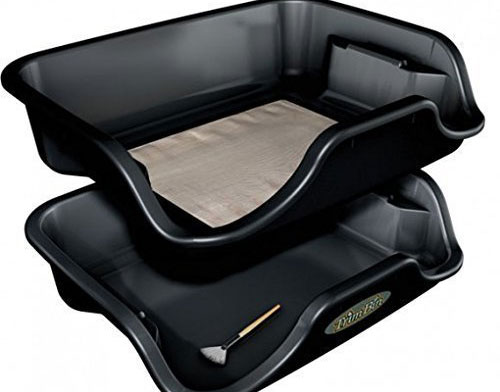
“Waste not, want not” certainly applies to trim sessions. The TrimBin is designed in two parts: an upper screen level and a lower collection bin that captures the inevitable trichome mess during trimming. Built with ergonomics in mind, the TrimBin sits comfortably on your lap. Its high walls keep leaf and plant material contained, while the 150-micron mesh sieve screen filters out larger particles from your kief.
Cardboard Soda Flat Box
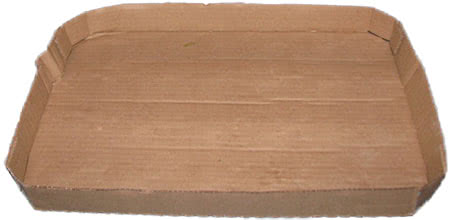 Gas station convenience stores and supermarkets often have loads of these cardboard soda flats, and they’re usually happy to give them away for free. Line the inside of the box with newspaper to keep kief and small pieces of bud from getting stuck in the flaps. Now you’ve got a free trim tray.
Hanging Your Harvest
Line for Hanging
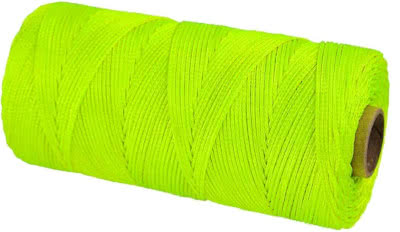
Set up lines to hang branches of buds. Braided cord, metal wire, or even cloth hangers all work well. Light-gauge, solid lines like fishing line are less ideal, as they tend to sag and cause the branches to slide toward the center. Braided cords are preferable due to their grip. However, avoid using old, fraying twine that might shed fibers onto your buds. Instead, use clean braided cord or sturdy wire.
Bud Drying Racks
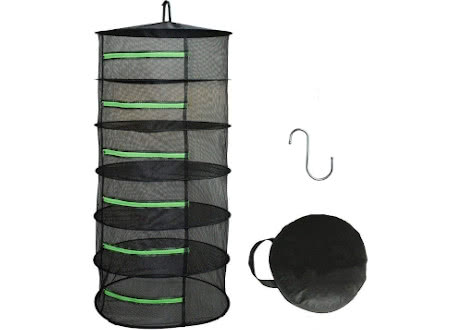
Bud drying screen racks can dry a large quantity of buds quickly in a compact space. Simply trim your fresh buds and place them in the rack immediately after harvest. However, drying on a flat surface may cause them to lose their shape. To preserve the round bud structure, consider hang-drying the buds for a few days before breaking them down. Rotate the buds on the screens as they dry to help maintain their roundness.
Storage and Curing
Cannabis buds are typically dried in open air before being transferred to sealed bags or containers for curing. When first stored, the buds need to release chlorophyll gases, so it’s important to “burp” the jars (briefly open the lid) or open the bags periodically to allow the gases to escape. This process should continue until the buds smell “clean,” which usually takes about two weeks after harvest.
Question: What’s the ideal temperature for drying weed?
Answer: A temperature between 55–70°F (13–21°C) is recommended.
Paper Bags

Paper bags work well for the final 10% of the drying process. When hang-drying buds, you may notice that the smaller pieces become crispy well before the larger colas. To even things out, break the buds down when they’re “almost dry” and let them finish drying slowly in paper bags before transferring them to proper storage. Loosely fold the tops of the brown bags so moisture can escape while preventing microbes from settling. Check twice a day to monitor and ensure even dryness.
Grocery Bags
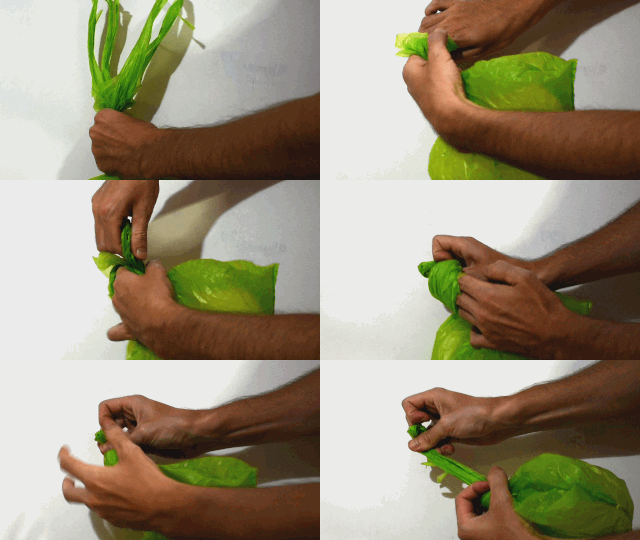
Grocery bags can be more airtight than Ziplocs if tied properly. For best results, double or triple them up. Use a single hitch knot as demonstrated above. They’re easy to open and shuffle the buds, helping them gas out evenly. Not recommended for long-term storage
Garbage Bags
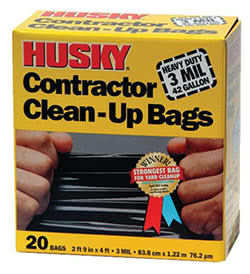
Unscented plastic garbage bags are handy, whether you’re filling them with bulk trim or using them as temporary storage for buds. For best results, double up standard garbage bags or opt for heavy-duty contractor clean-up bags.
Mason Jars

Now it’s time for truly airtight storage. Glass mason jars are widely considered the best option for storing your weed. Be sure to burp the lids regularly until your buds are fully cured. Once they are, you can seal them airtight in glass jars using a kitchen vacuum sealer and this jar sealer here, preserving them for years.
Vacuum Sealer and Bags
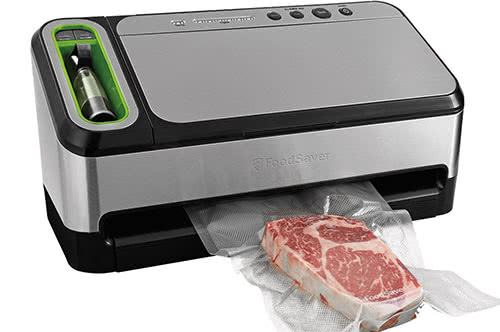
Vacuum-sealers are the second-best option after glass jars for storing cannabis. Buy a roll of vacuum-seal bags so you can cut and customize the length, making them more space- and cost-efficient than glass jars. Fill the bags with buds, suck out the air, and you’ll have a preserved weed package that can be stashed for years in a wall or secret spot. For best results, store your herb in a dark, dry location.
Scales
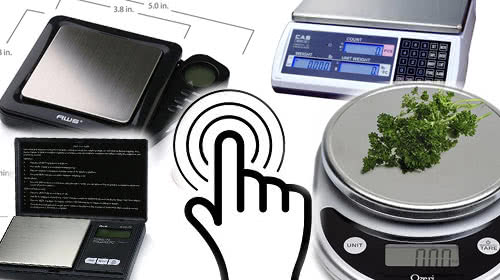
Scales are essential for recording weights throughout the harvesting process. Check out the best scales for weed online and grab our free weight measurement charts for reference.
Humidity in the Drying Room
Question: What’s the best humidity range for the drying room?
Answer: 50–60% RH (relative humidity) is recommended.
Hygrometer (Humidity Meter)
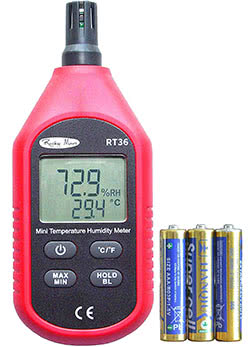
A hygrometer measures relative humidity. Maintaining the proper humidity in your drying room is vital for preserving bud quality. In overly humid environments, bud rot can occur (see: Stop Botrytis gray mold). Digital hygrometers with ±2 % accuracy are inexpensive and indispensable, so consider purchasing a few. Place one at canopy height and another on the floor to check for stratification.
Dehumidifier
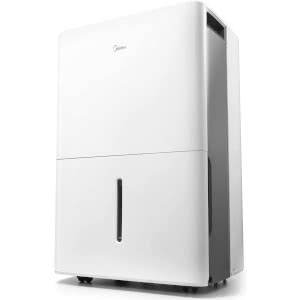
A dehumidifier is an indispensable appliance that reduces and maintains the humidity level in a room. When drying buds, keep the humidity setting between 45–55%, and be sure to empty the water tank and clean the unit as needed. Just avoid running dehumidifiers too low, as over-drying can trap chlorophyll inside the buds, giving your weed a hay-like taste.
Hand Cleaner

If you don’t wear gloves while trimming buds, your hands will get coated in sticky black resin. Use a heavy-duty hand cleaner to tackle even the grimiest, stickiest residue. Citrus-infused pumice scrubs like Gojo remove tar-like resin without stripping your skin’s natural oils.
Best Gloves for Trimming
Nitrile Gloves
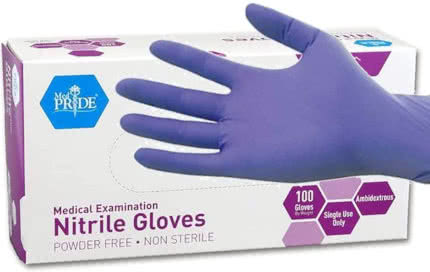
Nitrile exam gloves, powder-free and 6 mil thick, balances puncture resistance with fingertip feedback, letting you feel hidden stems without tearing trichomes. Unlike latex, nitrile won’t leach proteins or leave talc specks on cured flower. Swap gloves every pound or so—resin clouding reduces traction, forcing you to grip harder and potentially bruise delicate nugs.
Face Protection
When you’re looking up at hanging buds, it’s easy to get plant particles in your eyes. Most people don’t wear safety glasses while trimming, but if you’re breaking down large hanging plants into branches or placing them on drying lines, eye protection is essential.
Clear Safety Glasses
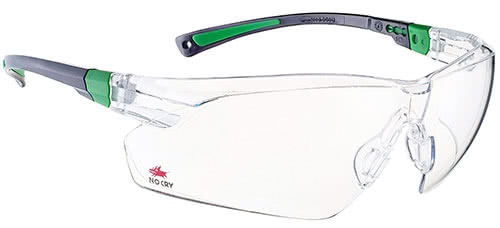
These No Cry wrap-around clear safety glasses are an excellent product for the money. Impact-rated polycarbonate resists scissor nicks and resin smears, and an anti-fog coating prevents steamy frustration in humid dry rooms. Lightweight frames stay comfortable so you forget they’re on until a rogue twig bounces off the lens.
Eye Drops

All the chlorophyll gas and terpenes from your cannabis, along with its effects, are bound to make your eyes red and itchy. These cooling eye drops provide a refreshing sensation while relieving redness and dryness. A quick blink reset keeps you focused on precision cuts—no more blinking through the itch.
Mask
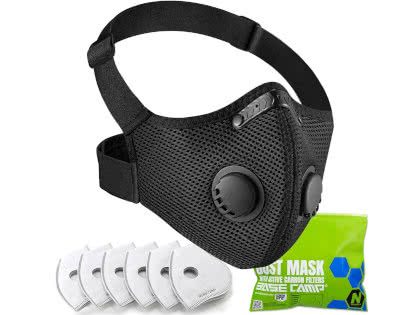
You might want to wear a mask while trimming weed to keep particles out of your airway—especially in commercial trimming operations, where airborne plant particles are abundant. A comfortable respirator or dust mask is the best solution. The mask shown here offers 99.6% filtration with its 6-layer carbon filter, while remaining highly breathable for all-day trimming.
Bright Lamp
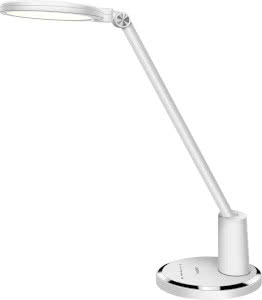
Extra lighting helps you see better, which is important when trimming in dimly lit areas that can cause eye strain. LED task lamps boost the lumens so you can spot every rogue sugar leaf. The LED desk lamp featured here offers ultra-bright, wide-range illumination while remaining gentle on the eyes. With 3 light modes and 7 brightness levels, you have total control.
Sharpies
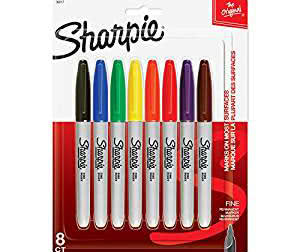
Permanent markers label everything from drying lines to freezer packs. Use metallic ink for black mylar bags and fine-tip black markers for jar lids. Markers help organize weed batches while recording plant weights, preventing any mix-up in the final product. Keep a cup of 99% isopropyl alcohol nearby—one quick wipe removes Sharpie from glass if you’re repurposing jars between harvests.
Seat and Back Cushions
Memory-foam lumbar and coccyx pads turn an all-day trim marathon into a cozy Netflix binge. Good posture isn’t just comfort—keeping your spine neutral maintains blood flow so hand dexterity stays sharp to the final nug.
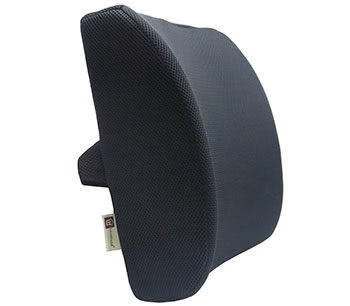
A cushion for your back. Above: The LoveHome Memory Foam Lumbar Support Back Cushion (Black).
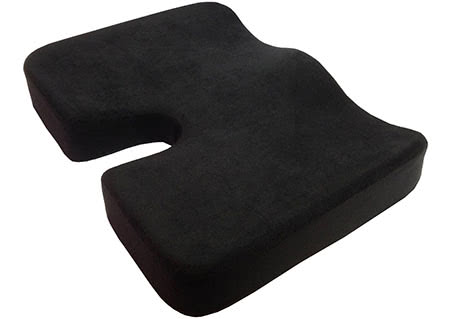
A cushion for your butt. Above: The Kieba Coccyx Seat Cushion, Cool Gel Memory Foam Large Orthopedic Tailbone Pillow for Sciatica, Back, and Tailbone Pain (Black).
Bud Trimming Machines
Automated bud trimming machines like the CenturionPro Mini or Twister T4 can replace 20–60 hand trimmers, processing up to 35 pounds of wet material per hour. Naturally, there are both advantages and drawbacks to using them. Read everything you need to know about bud trimmer machines in our guide to the best bud trimmers for sale at low prices.

Disclaimer: We do not promote or undertake in illegal activities.
I was looking for something to spread over my table that I occasionally use for trimming. Seem like a good add for your excellent collection 🙂
Recommendations for a really bright LED light would be good too!
Just added, thanks for the tip!
Masks are good too. . . some trimmers use no masks, some use the hospital paper type surgical masks, and some use the masks with the cartridges on the side
Looking for a sunglasses to protect against the bride LED lights
very nice information. It was very helpful.