
3 Most Common Fails of Growing Marijuana Outdoors
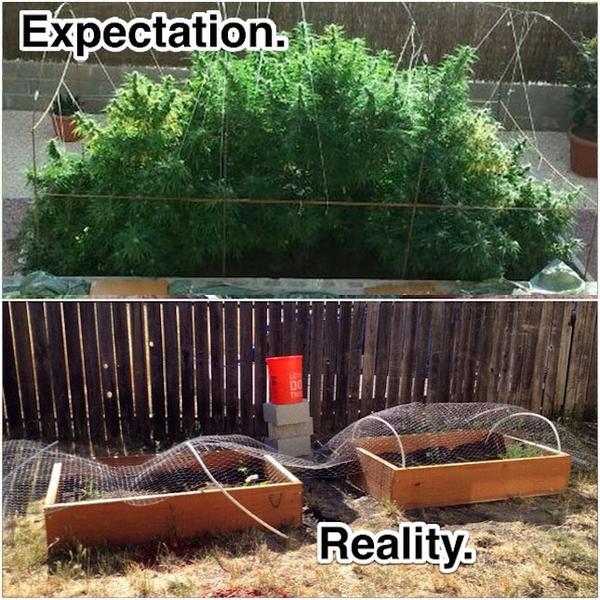
👋Watch out for these 3 common mistakes beginners make when growing cannabis outdoors:
1. Genetics
Quality cannabis comes from quality genetics. Marijuana seed breeders work hard to increase vigor, yield, THC content, and other favorable traits in their lines. While growing out bag seed of unknown origin is an exciting surprise, you might not want to put money on it. All of the factors listed below are risks of using random seeds:
- Mutations
- Hermaphrodites
- Wide-ranging harvest dates
- Weakling phenotypes
- Susceptibility to disease and mold
- Airy and leafy bud formations
- Undesirable smell and flavor
- Disappointing yields
Hermie Warning! More-likely than not, finding the rare seed in a bag of top-shelf chronic is the result of a late-flower hermaphrodite "banana" sowing its seed. These seeds are no good for growing, as they will still hold in their genes the hermaphrodite trait. Growing hermaphroditic cannabis genetics will result in harvests full of unwanted seedy pot.
On the other hand, clones can easily transmit nematodes and other soil predators—packed with an assortment of fungal diseases—right into your garden. Why risk an outbreak in your already healthy grow spot?

The best bet is to get seeds and clones directly from respected breeders. This can be a seed company or cannabis collective that has grown their genetics time and time again, selectively choosing their best plants with desired breeding characteristics.
Good breeders optimize strains for things like:
- High yield
- Vigorous growth
- High germination rates
- Full bud structure
- Resistance to molds/diseases
- Plant uniformity
- Flowering time
- Flavor/aroma and more...
High-quality genetics are a cheap investment every grower should have.
2. Soil
The difference between slow-growing, yellowing plants, and vigorous lush-green beauties may lie beneath the surface.
Soil regulates the availability of nutrients that a plant can feed on. Improperly maintained soil would make it hard for a cannabis plant to get the nutrition it needs.
The pH levels of a plant's root zone control what nutrients are available at different rates. Keeping a balanced, comfortable pH in the soil and flourishing microbiology creates a buffer, providing readily available nutrients to plants as they need them.
Lockout Warning! Excessive build up of nutrients in the soil, notoriously phosphorus, leads to a lock-up: Cannabis will be unable to absorb nutrients needed to grow.
A universe of micro-life exists in soil and reacts with marijuana plants in real-time as they grow together. Mycorrhizal fungi play a big part in the nutrient uptake of a plant.
Read more about soil health here—True Living Organics
Read more about mycorrhizal fungi here—DIY How to Make Mycorrhizal Fungi
Big-budded cannabis consumes a hefty diet rich in water and nutrients. Professional growers, both organic and non-organic, always ensure the availability of nutrients to hungry plants, using a wide range of amendments and additives. Eat big, grow big.
Soil aeration is the key to giving roots a comfortable, easy place to grow. Without proper aeration, plants may experience a weak, scrawny root structure—setting the stage for lackluster buds to arrive.
Integrating perlite to the growing medium increases aeration, working wonders for heavy, clay earth. Perlite is buoyant and full of air, in the ground acting as a virtual air bubble.
Remember, non-composted leaves and plant matter require nitrogen to decompose. Don't mix brush directly into your growing medium, or else it will steal the nitrogen from soil that your plant could otherwise be absorbing.
Common Soil Related Problems
- Nitrogen deficiency
- Heavy soil
- Lack of calcium
- Nematodes
- Root aphids
- Fungus gnats
- Stem borers
- Cutworms
- Off-balance pH
- Nutrient lockout
- Salt buildup
Letting soil get bone dry will starve off the beneficial fungi and organisms that help a cannabis plant. Eventually, the soil's microbe population will come back with water. Still, the goal here is to endlessly grow pedal to the metal—maximizing beneficial microbes to rapidly process available nutrients for plant absorption.
Dialing in the perfect soil is a constant action-reaction process requiring experiment and observation. Become your own soil scientist and pump up scrawny weed plants!
3. Location
Sunlight

If you are riding on a harvest to bring in the buds, cannabis plants should be exposed to at least 5 hours of direct sunlight per day.
Side-effects due to lack of sunlight:
Stunted growth Lack of vigor Feeble structure Sparse bud-sites Fungal susceptibility Skimpy harvests Undesirable herb
Cannabis grows by a process called photosynthesis—taking what's absorbed from light and turning it into usable energy for growth. More sunlight = more growth.
Guerrilla growers and stealth cultivators: Thin the surrounding foliage around your plants, leaving bits-and-pieces intact to form a light camouflage, providing adequate sun penetration and airflow while staying out of sight!
Airflow

Of prime importance but never seen, good airflow helps to ensure healthy plants with clean harvests.
Too much wind can be devastating, but just the right amount acts as strength training—improving the resilience of outdoor marijuana plants.
Forest cultivators should cut back any invasive species in an area as a first step to securing proper airflow.
Greenhouse cultivators may consider uncovering until the final few days of harvest. Shedding the greenhouse cover also increases the light intensity for plants inside.
Growing cannabis in open areas such as fields and mellow hillsides is an optimal choice—the sunlight and light breeze help weed plants stack up big and without mold problems: potentially yielding large, plump marijuana buds on the same level as top-shelf indoor chronic.
Mold Warning! If you are growing in a greenhouse: For many climates, sealing off the walls of an outdoor greenhouse too much will raise the humidity while simultaneously cutting off the airflow—creating an ideal environment for Botrytis and powdery mildew!
Botrytis mold information—How to Stop Botrytis on Cannabis (Bud Rot, Gray Mold)
Powdery mildew information—6 Ways to Cure Powdery Mildew on Cannabis Organically

Disclaimer: We do not promote or undertake in illegal activity.
Comments
Replying to @blibli
Replying to @Jared Cox
Replying to @blibli
Replying to @blibli
Replying to @trippn
Replying to @trippn
Replying to @blibli
Replying to @trippn